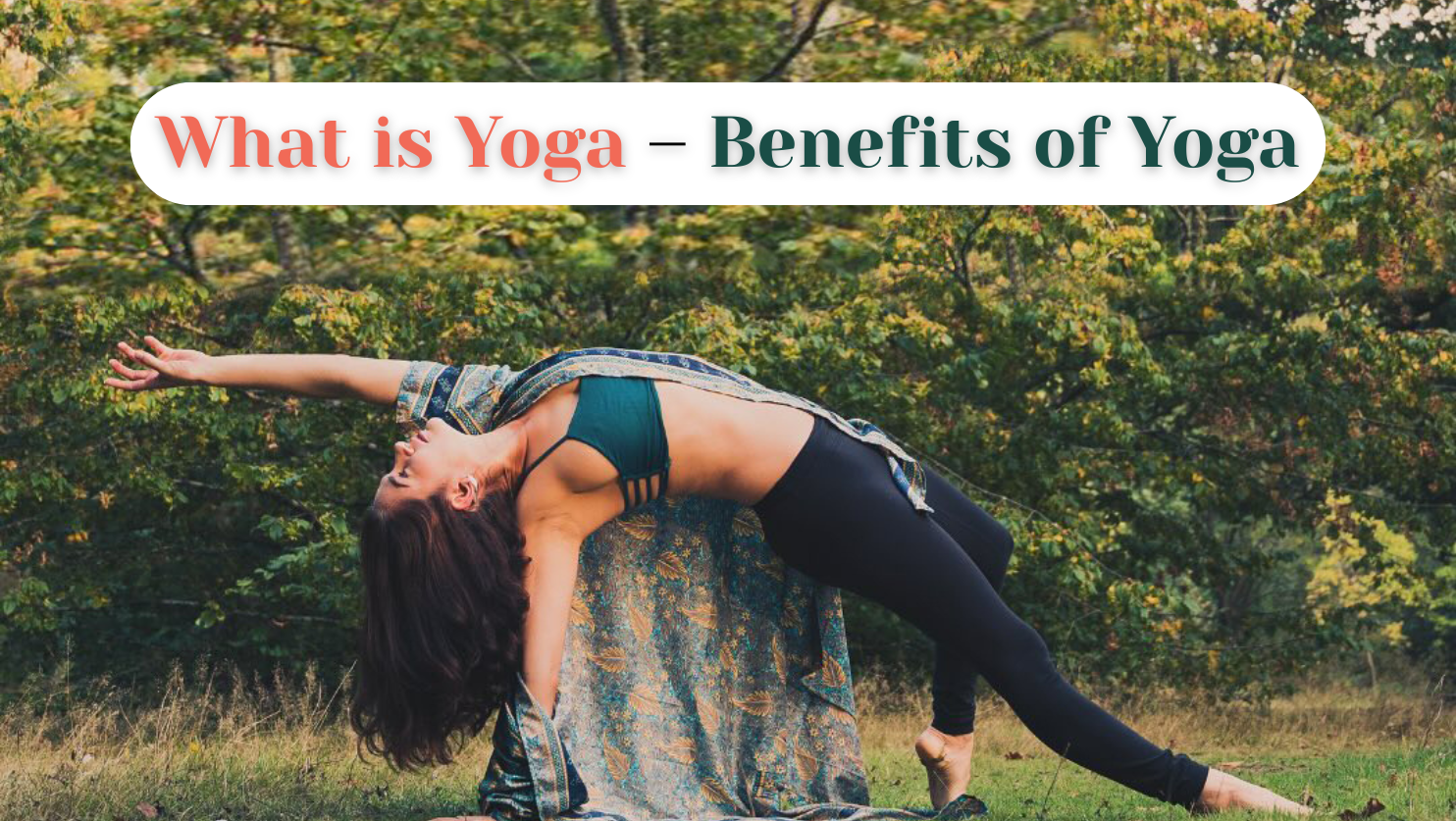
Yoga is an ancient Indian science of consciousness and bodily discipline designed to quiet mental turbulence and restore balance to the nervous system. The word stems from the Sanskrit root Yuj, meaning to yoke, join, or integrate. While modern perception often equates yoga solely with physical postures and workout studios, classical yoga encompasses ethics, breath control, sensory withdrawal, and meditation. In Patanjali’s classical definition, yoga is the intentional stilling of the mind’s perpetual fluctuations.
Quick Facts: What is Classical Yoga?
- Sanskrit Root: Yuj (युज्) — to unite, bind together, or integrate individual awareness with universal reality.
- Foundational Texts: Patanjali’s Yoga Sutras (codified c. 400 CE), alongside the Bhagavad Gita and Hatha Yoga Pradipika.
- Classical Definition: Yogaś citta-vṛtti-nirodhaḥ (Yoga Sutra 1.2): Yoga is the cessation of the fluctuations of consciousness.
- The Four Classical Paths: Karma Yoga (selfless action), Bhakti Yoga (devotional surrender), Jnana Yoga (inquiry and discernment), and Raja Yoga (meditation and eight limbs).
- The Eight Limbs (Ashtanga): Yama (ethics), Niyama (disciplines), Asana (posture), Pranayama (breath), Pratyahara (sensory withdrawal), Dharana (concentration), Dhyana (meditation), and Samadhi (absorption).
- Physiological Impact: Stimulates the vagus nerve, reduces circulating cortisol, improves joint mobility, and regulates the autonomic nervous system.
What is Yoga? Origin and Original Meaning
The origins of yoga trace back over five thousand years to the Indus-Saraswati civilization in northern India. The earliest written mentions appear in the Rig Veda, where the term referred to yoking horses to a chariot (a metaphor for harnessing the senses and directing the intellect toward spiritual truth).
Over centuries, Indian sages refined these contemplative practices through the Upanishads and the Bhagavad Gita before Maharishi Patanjali systematically codified the philosophy into the 196 aphorisms of the Yoga Sutras. In this classical framework, physical postures are not an end in themselves; they serve as a practical foundation to prepare the body to sit comfortably in meditation without distraction or pain.
योगश्चित्तवृत्तिनिरोधः ॥ २ ॥
Yogaś citta-vṛtti-nirodhaḥ (Patanjali Yoga Sutras 1.2)
Translation: “Yoga is the intentional stilling of the modifications and fluctuations (vrittis) of consciousness (chitta).”
In Patanjali’s formulation, chitta encompasses the mind, memory, ego, and intellect. Vrittis are the continuous ripples caused by desires, memories, fears, and sensory inputs. When these ripples settle through steady practice, the observer rests in pure awareness rather than identifying with shifting thoughts.

The Four Classical Paths of Yoga
Indian philosophy recognizes that human temperaments differ. One person may be drawn to practical service, another to devotional feeling, another to analytical study, and another to meditation. Vedic tradition outlines four primary paths of yoga to accommodate these different dispositions:
1. Karma Yoga (The Path of Selfless Action)
Karma Yoga is the practice of duty performed with dedication and without attachment to personal reward (Nishkama Karma). Codified in Chapter 2 of the Bhagavad Gita, it teaches that action becomes liberating when performed for the welfare of others rather than personal ego. By releasing anxiety about results, everyday work becomes a contemplative discipline.
2. Bhakti Yoga (The Path of Devotion)
Bhakti Yoga channels emotional energy into reverent surrender to the divine. Through prayer, kirtan (mantra singing), and ritual worship, the practitioner dissolves self-centered concerns into love for all creation. Patanjali describes this quality as Ishvara Pranidhana, the surrender of personal will to universal consciousness.
3. Jnana Yoga (The Path of Wisdom and Discernment)
Jnana Yoga is the analytical inquiry into the nature of reality. Drawing directly from the Upanishads and Advaita Vedanta, the practitioner uses philosophical discernment (Viveka) and non-attachment (Vairagya) to distinguish between what is temporary (the body, sensations, and thoughts) and what is permanent (pure consciousness, or Atman).
4. Raja Yoga (The Royal Path of Meditation)
Raja Yoga is the systematic discipline of mental training codified by Patanjali. It provides an eight-stage methodology for pacifying mental agitations, concentrating attention, and moving past common obstacles in yoga sadhana toward spiritual clarity.
The Eight Limbs of Ashtanga Yoga
In the second chapter of the Yoga Sutras (Sadhana Pada), Patanjali outlines the eightfold architecture of Ashtanga Yoga. These limbs build progressively, beginning with ethical living in society and culminating in meditative absorption:
- Yama (Social Ethics): Five universal restraints guiding relationships with others: Ahimsa (non-violence in thought and deed), Satya (truthfulness), Asteya (non-stealing), Brahmacharya (moderation of sensory energy), and Aparigraha (non-possessiveness).
- Niyama (Personal Disciplines): Five inner habits for self-purification: Saucha (cleanliness of body and mind), Santosha (contentment with what is), Tapas (disciplined effort), Svadhyaya (study of wisdom texts and self-reflection), and Ishvara Pranidhana (trust in a higher order).
- Asana (Physical Postures): Defined by Patanjali as sthira-sukham asanam, meaning a posture that is steady and comfortable. Postures develop physical resilience so the practitioner can sit in quiet reflection without physical pain or restlessness.
- Pranayama (Breath Regulation): The conscious modulation of the inhalation, exhalation, and breath retention. Regulating the breath through systematic pranayama techniques balances vital life energy (prana) and directly calms autonomic nervous system activity.
- Pratyahara (Sensory Withdrawal): Turning sensory awareness inward. Instead of reacting reflexively to sounds, sights, and environmental stimuli, the mind learns to disengage from external triggers.
- Dharana (Concentration): Binding attention to a single point, such as the breath, a mantra, or an internal focal point, without wandering.
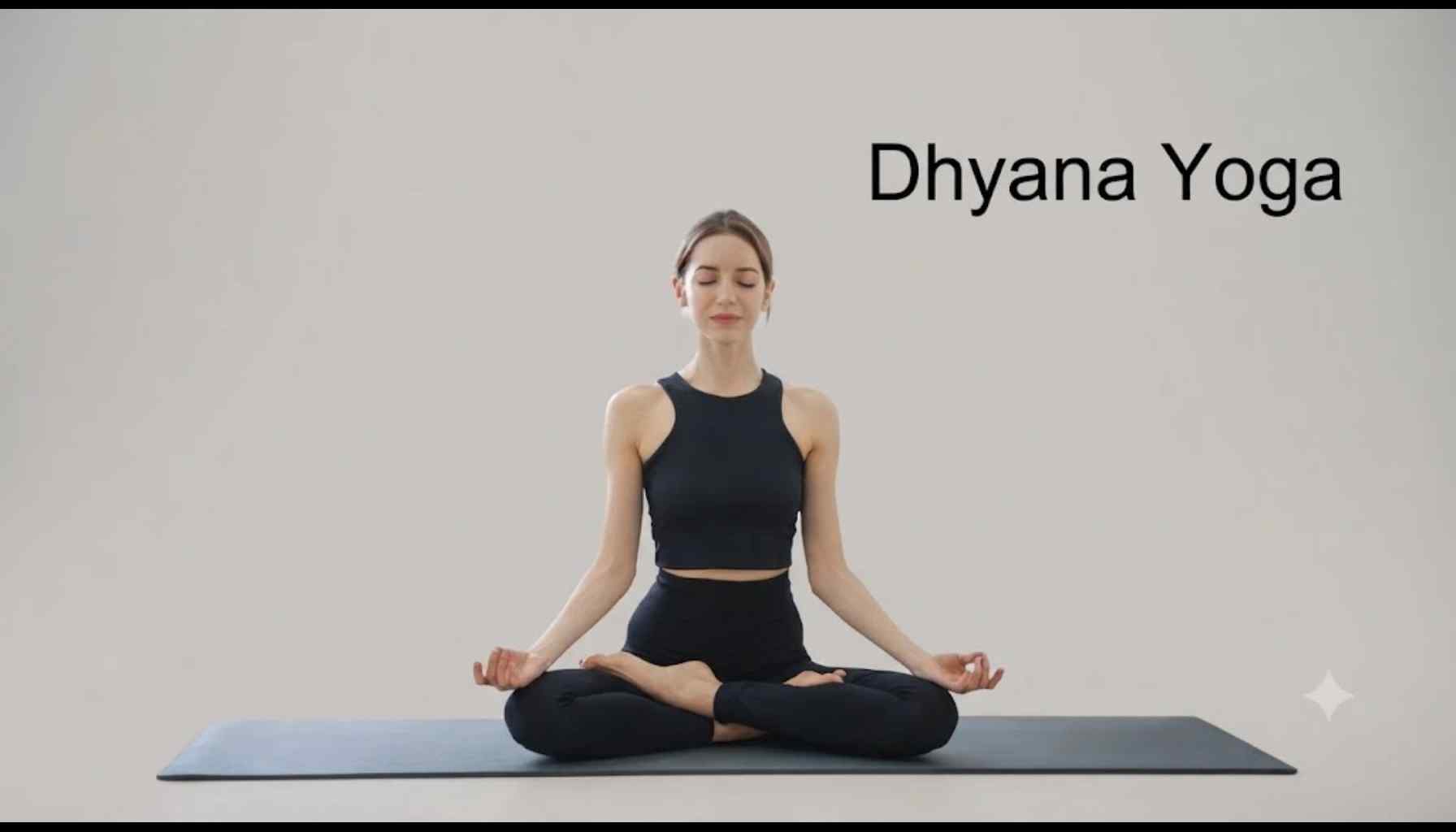
- Dhyana (Meditation): An uninterrupted flow of awareness toward the object of concentration. If you wish to understand this limb in greater depth, read our dedicated guide on what is meditation and its benefits.
- Samadhi (Meditative Absorption): The state of complete union where the distinction between observer, the act of observing, and the observed object dissolves into pure awareness.
Evidence-Based Health Benefits of Regular Practice
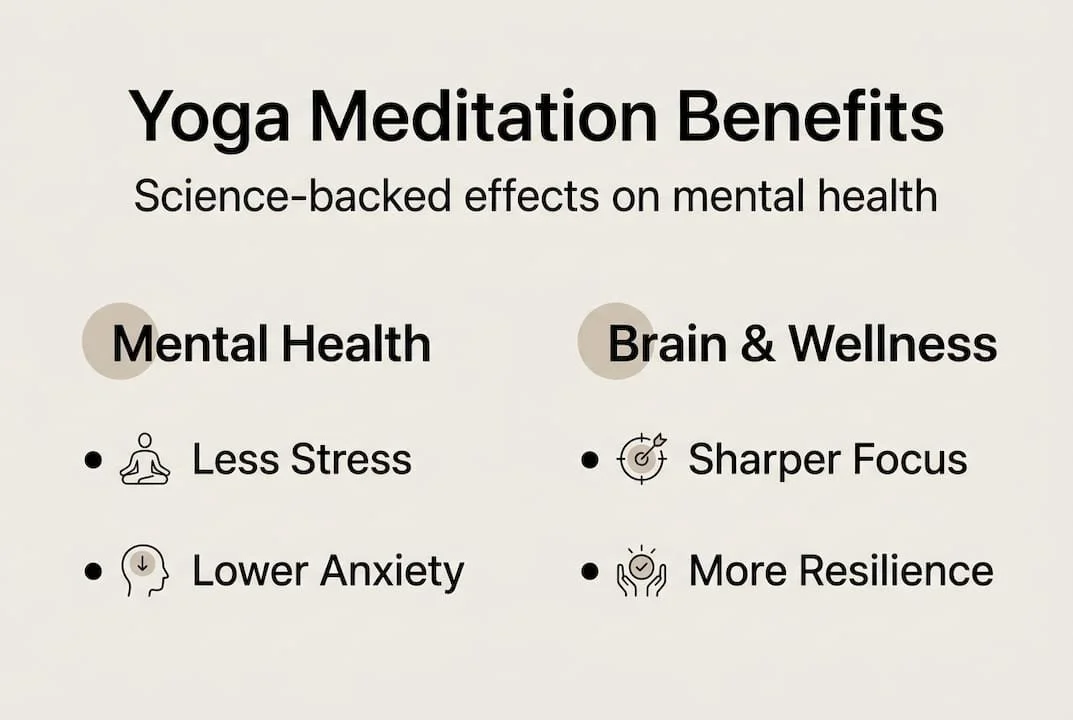
Modern clinical research confirms what yogis documented through direct observation over centuries. Regular practice produces measurable physiological and psychological improvements:
1. Down-Regulates Stress Hormones and Supports Nervous System Balance
Controlled breathing and mindful movement stimulate the vagus nerve, which activates the parasympathetic nervous system (the body’s rest-and-digest mechanism). Clinical trials show that consistent yoga reduces circulating salivary and serum cortisol, helping manage chronic stress, mild hypertension, and generalized anxiety.
2. Restores Spinal Mobility and Joint Function
Sedentary routines compress the lumbar spine and shorten hip flexors. Yoga postures take the spine through flexion, extension, lateral bends, and twists. This circulates synovial fluid through cartilage and strengthens stabilizing core muscles without high-impact joint wear.
3. Increases Heart Rate Variability and Cardiorespiratory Efficiency
Practices that lengthen the exhalation increase Heart Rate Variability (HRV), a primary clinical marker of cardiovascular resilience and autonomic adaptability. Breathwork expands functional lung capacity and improves oxygen exchange efficiency across alveolar membranes.
4. Preserves Cognitive Function and Emotional Stability
Neuroimaging studies indicate that long-term practitioners retain greater gray matter density in the hippocampus (involved in memory and learning) and prefrontal cortex (involved in impulse control and emotional regulation), buffering age-related cognitive decline.
5. Encourages Healthier Sleep Architecture
By lowering bedtime sympathetic arousal and encouraging steady diaphragmatic breathing, evening yoga and gentle stretching improve sleep efficiency, reducing sleep-onset latency and nightly awakenings.
How to Begin an Authentic Yoga Practice
Beginning yoga requires no prior flexibility or complex equipment. A meaningful practice starts with basic principles:
- Prioritize Steady Breathing: If your breath becomes jagged or forced during a posture, ease back. The breath is your primary indicator of physiological equilibrium.
- Choose Consistency Over Intensity: Practicing for twenty minutes every day establishes deeper neural and muscular benefits than doing a two-hour session once a week.
- Treat Postures as Preparation for Stillness: Conclude every movement session with seated quietness or Savasana (corpse pose) to allow the autonomic nervous system to integrate the practice.
- Learn Under Qualified Lineage Teachers: Traditional adjustments, safe biomechanical alignment, and philosophy are best absorbed directly from experienced teachers who study both anatomical science and classical yogic texts.
Deepen Your Practice in Rishikesh
Whether you seek to establish an unshakeable personal sadhana or gain an internationally recognized Yoga Alliance certification, Om Setu Yogashala delivers grounded, lineage-based education in the traditional birthplace of yoga.
Frequently Asked Questions
Is yoga a religion?
No. Yoga is an experiential discipline and philosophical system rather than a religious dogma. While it originated within the Vedic traditions of ancient India, its methods—ethical discipline, physical alignment, breath regulation, and concentration—are universal tools for mental clarity and health accessible to people of any background or personal belief.
Do I need to be flexible to start practicing yoga?
You do not need flexibility to begin yoga, just as you do not need to be clean before taking a bath. Flexibility is an outcome of practice, not a prerequisite. Postures are modified with blocks, straps, or variations to meet each body where it currently is.
What is the difference between Hatha Yoga and Ashtanga Yoga?
Hatha Yoga focuses on holding static postures with deliberate breath awareness to balance solar (ha) and lunar (tha) energies in the body. Ashtanga Yoga follows a dynamic, structured sequence linked with rhythmic breathing (vinyasa) and focused gaze points (drishti). Both derive from the same classical foundations.
How often should someone practice yoga each week?
Practicing three to five times per week produces consistent improvements in flexibility, joint health, and stress regulation. Even a brief daily twenty-minute morning routine of joint warm-ups, breathwork, and quiet sitting delivers sustainable benefits over sporadic long classes.
Can yoga help with lower back stiffness and postural strain?
Yes. Yoga decompresses the spine, strengthens deep core stabilizing muscles (including the transversus abdominis and multifidus), and opens tight hamstrings and hip flexors that pull on the pelvis. Practiced with proper alignment, it is widely recommended by physical therapists for non-specific chronic lower back discomfort.
Conclusion
Yoga offers an integrated methodology for physical health and mental clarity. By honoring its classical foundation—ethical discipline, conscious breathing, steady posture, and meditation—practitioners cultivate steadiness of mind that supports every aspect of daily life.